About Biocompatible Grade
Biocompatible Grade
ISOTHANE 5000 Series Bio-compatible Grade
Characteristics
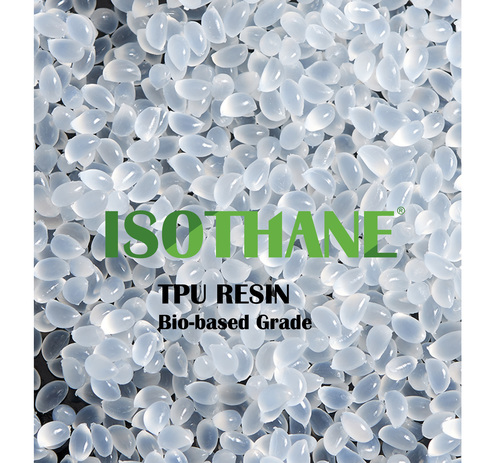
ISOTHANE 5000 series products are polyether based thermoplastic polyurethanes. They exhibit excellent bio-compatibility according to USP class VI hydrolytic resistance, fungus resistance, and low temperature performance properties. ISOTHANE 5000 series can be injection molded , blow molded, and extruded.
Suggested Applications: Medical Tubing and Medical Disposable Applications.
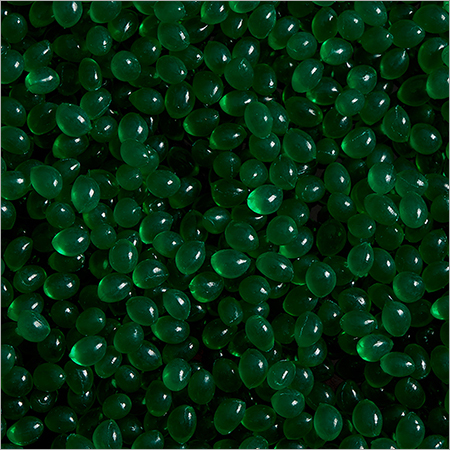
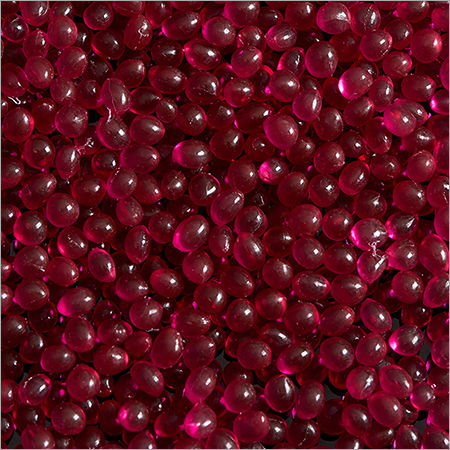
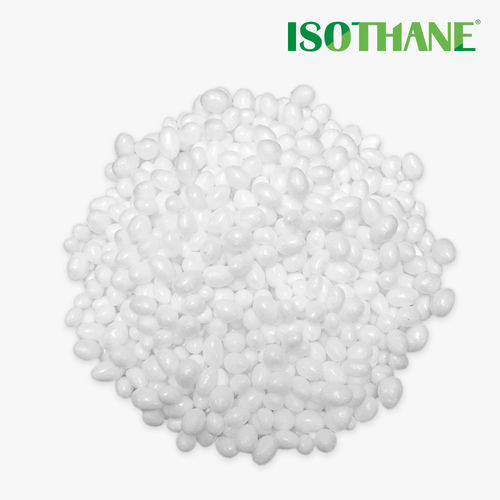
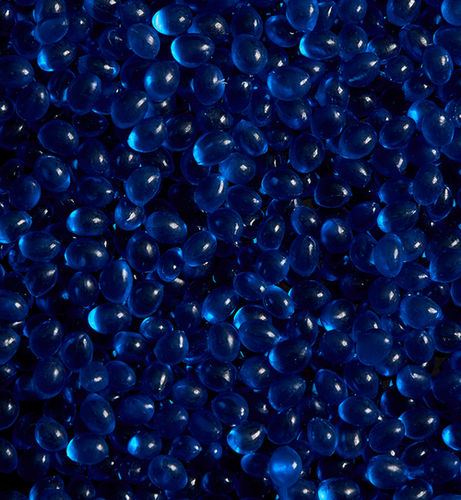
Superior Medical Grade MaterialEngineered for safety, this biocompatible polymer meets stringent medical standards, including RoHS and REACH compliance. Its non-toxic, high purity formulation ensures reliable performance in sensitive healthcare environments.
Excellent Processability and VersatilityThis polymer supports both injection molding and extrusion, allowing flexibility for manufacturers to produce intricate or large components. Its customizable thickness and stable mechanical properties suit various medical and dental uses.
Robust Resistance and Easy SterilizationWith outstanding chemical and heat resistance, along with compatibility with ethylene oxide, gamma radiation, and steam autoclaving, the material can be safely sterilized for repeated use without compromising its integrity.
FAQs of Biocompatible Grade:
Q: How should the biocompatible polymer granules be stored to maintain their quality?
A: To preserve the integrity and shelf life of the biocompatible polymer, keep the granules in a cool, dry place. Proper storage conditions help ensure the material remains effective for up to 24 months.
Q: What manufacturing processes are compatible with this biocompatible polymer?
A: This polymer is suitable for both injection molding and extrusion processes, offering high flexibility for manufacturers to create precise medical devices and components.
Q: When is sterilization required for devices made from this material, and which methods are compatible?
A: Sterilization is essential before any medical devices use. This polymer can be safely sterilized using ethylene oxide, gamma radiation, or steam autoclaving, ensuring it meets medical hygiene standards.
Q: Where can this biocompatible grade polymer be utilized in the healthcare sector?
A: It is widely used in manufacturing medical implants, prosthetic devices, surgical instruments, and dental components due to its safety, mechanical strength, and smooth finish.
Q: What benefits does this material offer in medical device applications?
A: The polymer provides high purity, excellent mechanical strength (45 MPa tensile), low water absorption, and strong resistance to chemicals and heat, making it highly reliable for critical and long-term use in medical settings.
Q: How does the surface finish and hardness contribute to its applications?
A: A smooth surface finish and a hardness of 70 Shore D help in creating comfortable, durable, and biocompatible products, minimizing tissue irritation and ensuring patient safety.






 Send Inquiry


 Send Inquiry